Understanding CPVT: The Rare Heart Condition That Took Alonzo Too Soon
We honour Alonzo’s life and legacy by sharing his story and raising awareness for CPVT (Catecholaminergic Polymorphic Ventricular Tachycardia)—the rare heart condition that took him from us far too soon. While CPVT is not well known, early diagnosis and treatment can save lives.
What is CPVT?
CPVT is a rare, inherited heart condition that causes dangerous heart rhythm abnormalities (arrhythmias). Unlike most heart diseases, CPVT occurs even when the heart itself looks normal in standard tests. It often first appears in children, teenagers, or young adults who seem otherwise healthy.
What Happens in CPVT?
In people with CPVT, the heart’s electrical system doesn’t function properly. When the heart beats faster—during physical activity or heightened emotions—it can trigger abnormal heart rhythms that may lead to:
✅ Dizziness or fainting
✅ Seizure-like episodes
✅ A racing or irregular heartbeat
✅ Sudden cardiac arrest (which can be fatal)
Why is CPVT So Dangerous?
CPVT often goes undiagnosed because:
- It doesn’t show up on a normal ECG (heart test).
- Many people don’t realise that fainting or dizziness during activity could be a warning sign.
- Some doctors may misdiagnose it as seizures or anxiety.
For some, sudden cardiac arrest is the first and only symptom, which is why early screening and awareness are critical.
How is CPVT Diagnosed?
Because CPVT isn’t always obvious, doctors may use:
- An exercise stress test – to see how the heart reacts when it speeds up.
- Holter monitoring – a device that records the heart’s activity over a day or longer.
- Genetic testing – since CPVT is usually inherited, testing family members can help identify those at risk.
Is There Treatment for CPVT?
While there is currently no cure for CPVT, early recognition and specialist care can make a critical difference to outcomes. Because CPVT is rare and can be difficult to detect, it is important that anyone with symptoms such as unexplained fainting, seizures during exercise or stress, or a family history of sudden cardiac events seeks medical advice.
If you are concerned about CPVT—for yourself or a loved one—the first step is to speak with a general practitioner (GP), who can assess symptoms and, where appropriate, refer to a cardiologist or inherited heart disease specialist for further investigation.
Early assessment, specialist follow-up, and family screening can be lifesaving.
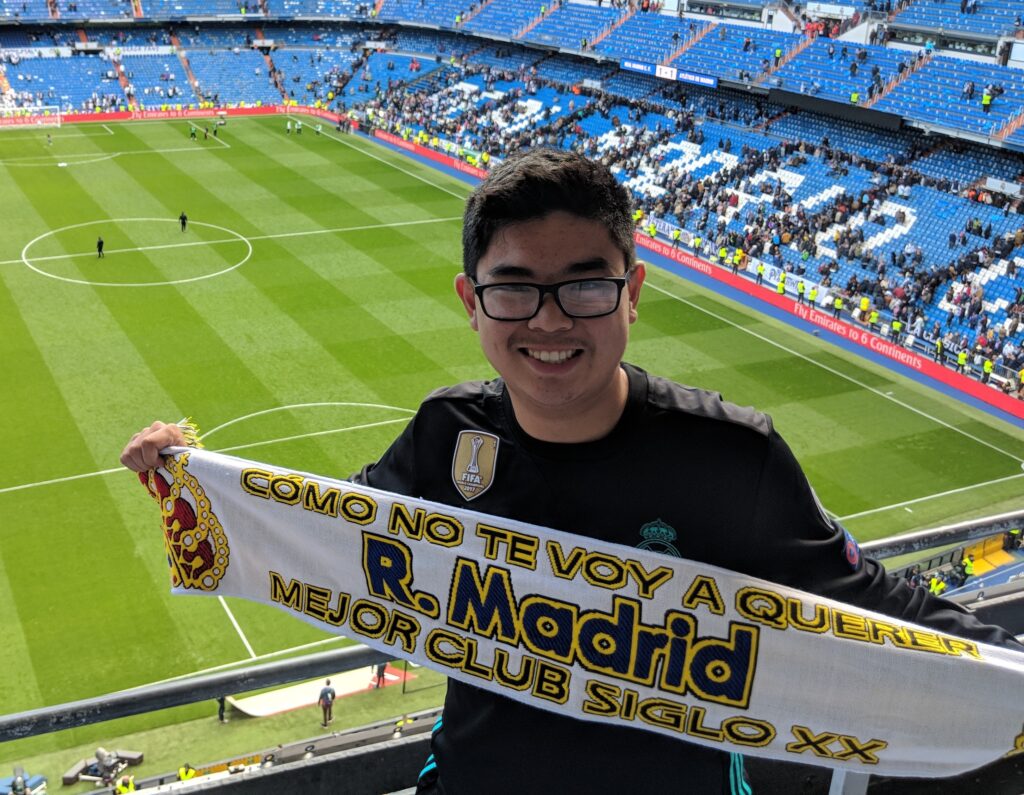
Why We Share Alonzo’s Story
Alonzo was full of love, kindness, and dreams for the future. His passing from CPVT was sudden and heartbreaking, but through his memory, we want to help save others.
💙 If you or someone you love has ever experienced unexplained fainting, seizures, or sudden cardiac episodes, please talk to a doctor about genetic testing for CPVT. Early detection could mean the difference between life and loss.
We continue Alonzo’s legacy—not just through awareness of CPVT, but also through the Alonzo Puey Scholarship Grant.